


What Can You Put in an Insulated Tumbler? (Drinks to Use, Drinks to Watch)
What Can You Put in an Insulated Tumbler? (Drinks to Use, Drinks to Watch)
Almost any everyday drink works in an insulated stainless steel tumbler: water, coffee, tea, juice, sports drinks, protein shakes, beer, and wine. Three things need care: fizzy or hot drinks build pressure under a sealed lid, milk and other perishables shouldn't sit for hours, and salty, acidic, or sugary drinks should be rinsed out soon after. Never seal dry ice inside, and use a food jar for chunky food.
Below: a quick yes, use-with-care, or skip table, the three rules that cover every drink, and the right lid for each.
What can you put in an insulated tumbler? (Quick answer)
Here's what drinks you can put in a stainless steel tumbler, at a glance:
| Drink | Verdict | Care tip |
|---|---|---|
| Water, ice water | Yes | Refresh it daily (how long water can sit) |
| Coffee, tea, hot cocoa, cider | Yes, with care | Sip, coffee, or sliding lid; open slowly (coffee guide) |
| Iced coffee, cold brew | Yes | Rinse the same day |
| Juice, lemonade, lemon water | Yes | Rinse soon after |
| Sports drinks, electrolyte mixes | Yes | Rinse soon after |
| Protein shakes | Yes, with care | Cold liquids only when you shake (protein shake guide) |
| Smoothies | Yes | Rinse right away; pulp can clog a straw |
| Soda, seltzer, kombucha | Use with care | Don't shake; open slowly |
| Milk, milk drinks | Use with care | Drink it soon, then rinse |
| Beer, wine, cocktails | Yes | Rinse after |
| Chunky soup, stew | Skip | Use a wide-mouth food jar |
| Dry ice | Skip | Never seal it inside |
The three rules to watch
- Pressure from hot or fizzy drinks. Carbonation and heat both build pressure under a sealed lid. Coldest product pages say to open the lid slowly, pointed away from you, with hot liquids. More on why: why a water bottle sprays when opened.
- Perishables like milk. Milk and milk-based drinks are perishable. Insulation helps keep them cold, but it doesn't make them shelf-stable, so food-safety timing still applies.
- Rinse out residue. Sugar, salt, acid, and milk leave residue and smells behind in lids and straws. Rinse soon after and wash regularly (how to clean a tumbler with a straw).
Hot drinks (coffee, tea, cocoa, cider)
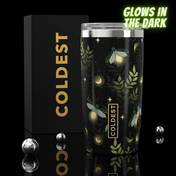
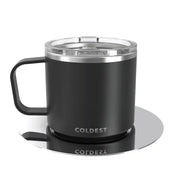
Hot drinks are what a vacuum-insulated tumbler does well. Use a sip, coffee, or sliding lid, and keep straw lids for cold drinks, since a straw sends hot liquid straight into your mouth. Open the lid slowly. The 20oz Tumbler is rated for 13+ hours hot. For preheating, lid choice, and keeping coffee tasting fresh, see using an insulated tumbler for coffee. Brown film from coffee or tea is a separate fix: how to remove coffee stains from a tumbler.
Fizzy drinks (soda, seltzer, kombucha)
Soda and sparkling water are fine in an open tumbler or under a sip lid. In a sealed bottle, the fizz builds pressure, especially if it gets shaken or warms up, so don't shake it, and open it slowly, pointed away from you.
Once it's open, expect it to go a little flat over the day. That's the carbonation escaping, not the steel. For more on why sealed drinks spray, see why a water bottle sprays when opened.
Acidic and salty drinks (lemon water, juice, electrolytes)
Lemon water, juice, and electrolyte mixes are fine. Coldest bottles and tumblers are made from 18/8 stainless steel, and the stainless steel industry group worldstainless explains that stainless steel's general inertness is what makes it ideal for food contact (worldstainless).
The habit that matters is rinsing it out soon after rather than leaving lemon water or a salty mix sitting for days. If you mostly carry salty mixes and wonder about steel grades, see 18/8 vs 316 stainless steel. Notice a tinny taste? Check why a tumbler can taste like metal.
Milk and dairy drinks
Cold milk, iced lattes, and milk-based drinks are fine for a short time. The USDA Food Safety and Inspection Service says bacteria grow most rapidly between 40°F and 140°F, and advises never leaving food out of refrigeration over 2 hours, or 1 hour if it's above 90°F (USDA FSIS).
Insulation helps keep milk cold, but treat it like milk you packed in a bag: drink it, then rinse. Rinse the tumbler and lid right away, because dried milk is a common cause of lid smells (why an insulated bottle smells).
Beer, wine, and cocktails
Cold beer, wine, and cocktails are a great fit for an open tumbler, which keeps them cold while you sip. Beer and fizzy cocktails follow the same pressure rule as soda if you seal them in a bottle: open slowly.
Rinse it out afterward. Wine and sugary mixers can leave smells and sticky residue in the lid.
Electrolytes and sports drinks
Sports drinks and electrolyte powders are a natural fit for a gym bottle. Mix with cold water, close the lid firmly, and rinse the bottle and lid at the end of the day so sugar and salt don't dry on. A chug or sports lid makes them easy to drink on the move.
Soup and broth
For chunky soup or stew, use a wide-mouth food jar instead. A tumbler is built for drinks, and food bits are hard to clean out of its lid and straw. Thin broth you plan to sip is fine with a sip, coffee, or sliding lid. Since it's hot, open the lid slowly.
Dry ice: never seal it inside
Don't put dry ice in a sealed bottle or tumbler. Cornell University's Environment, Health and Safety office says never to store dry ice in a tightly sealed container or one with a screw-top lid that won't vent, because the gas expands and can make the container violently rupture (Cornell EHS dry ice tip sheet). If a party drink calls for dry ice, keep it out of your bottle.
Hot drinks through a straw
Skip it. A straw lid sends hot liquid straight into your mouth before you can tell how hot it is. Save straw lids for cold drinks, and use a sip, coffee, or sliding lid for anything hot.
Skip these (or use something else)
- Dry ice in a sealed tumbler or bottle.
- Chunky soup or stew: use a food jar.
- Freezing or microwaving the tumbler itself: don't. Coldest care says not to freeze or microwave it (freezer and microwave FAQ).
Pick the right lid
Use a straw lid for cold sipping, a chug or sports lid for water and sports drinks, and a sip, coffee, or sliding lid for hot drinks. Compare them in straw lid vs chug lid.
Coldest tumblers and bottles
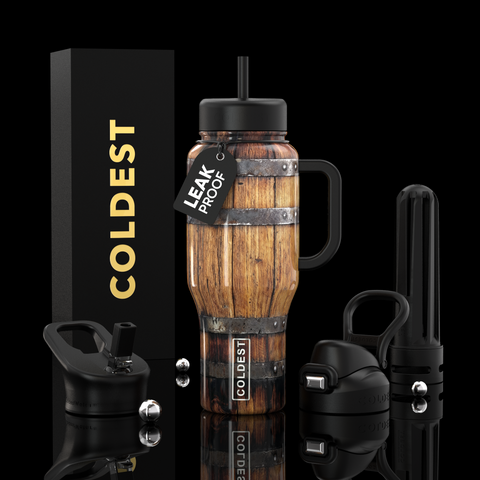
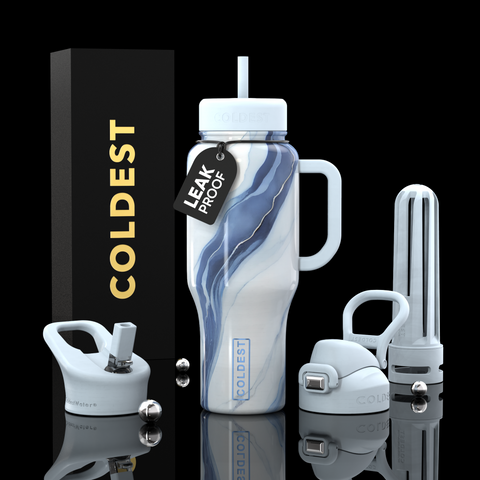
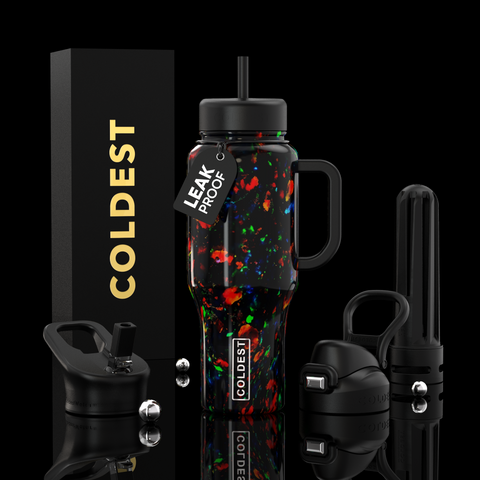
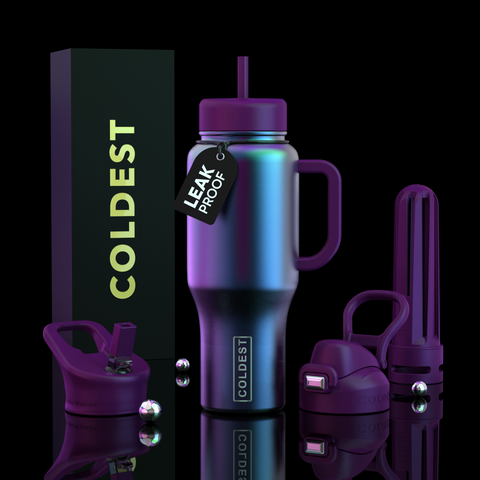
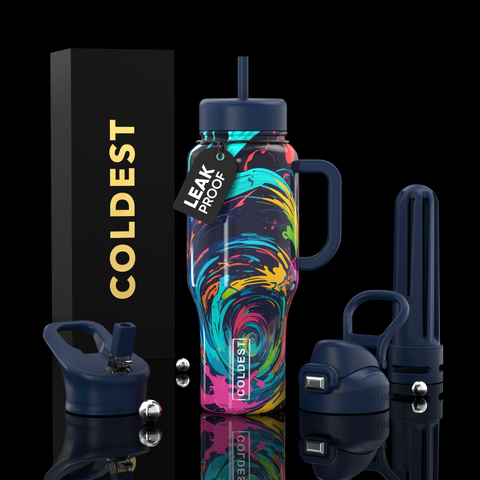
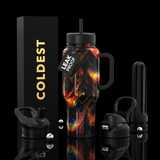
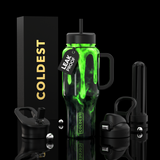
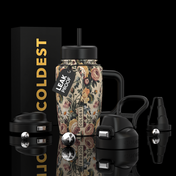
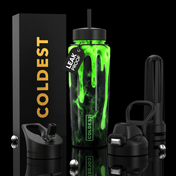
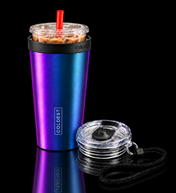
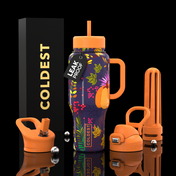
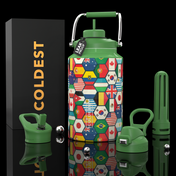
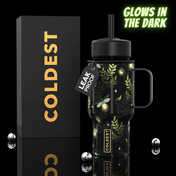
The 32oz Go Series and the 36oz Limitless are triple-wall vacuum-insulated 18/8 stainless steel, rated for 36+ hours cold and 13+ hours hot (how long insulated bottles stay cold). The 20oz Tumbler is built for coffee and powder mixes. Hand wash only, and don't freeze or microwave them.
FAQ
What can you put in an insulated tumbler?
Almost any drink: water, coffee, tea, juice, sports drinks, protein shakes, soda, beer, and wine. Open it slowly when it's hot or fizzy, don't let milk sit for hours, and rinse it soon after anything that isn't water.
Can you put soda or sparkling water in an insulated tumbler?
Yes. In an open tumbler it's simple. Under a sealed lid the fizz builds pressure, especially if it's shaken or warms up, so open it slowly and pointed away from you (why bottles spray when opened).
Can you put milk in an insulated tumbler?
Yes, cold and for a short time. Milk is perishable, and USDA FSIS advises never leaving food out of refrigeration over 2 hours, or 1 hour above 90°F (USDA FSIS). Rinse the tumbler and lid right after.
Can you put alcohol in a stainless steel tumbler?
Yes. Beer, wine, and cocktails stay cold in an insulated tumbler. Rinse it out afterward so sugar and wine don't leave a smell.
Is lemon water OK in a stainless steel bottle?
Yes. Stainless steel's general inertness is what makes it ideal for food contact, according to worldstainless. Rinse it out soon after instead of leaving lemon water sitting for days.
Can you put hot drinks in a tumbler with a straw lid?
Use a sip, coffee, or sliding lid for hot drinks and save the straw for cold ones. Open hot drinks slowly, since heat builds pressure (coffee in an insulated tumbler).
What should you never put in an insulated water bottle?
Don't seal dry ice inside, because the gas can build enough pressure to rupture a closed container (Cornell EHS). Skip chunky food and use a food jar instead. And don't put the bottle itself in the freezer or microwave.
The bottom line
Almost anything drinkable can go in. Open it slowly when it's hot or fizzy, don't let milk linger, and rinse after anything that isn't water. For the full cleaning routine, see how to clean a tumbler with a straw.


