


Why Does My Insulated Tumbler Taste Like Metal?
Why Does My Insulated Tumbler Taste Like Metal?
A clean 18/8 stainless steel tumbler isn't expected to make drinks taste like metal, so a metallic or "off" taste usually comes from something else: residue on a new bottle, a lid, gasket, or straw that needs a deep clean, minerals in the water itself, or a drink that sat too long. Wash the bottle and every lid part by hand with warm soapy water, then taste the same water from a glass — if the glass tastes metallic too, it's your water, not the tumbler.
It's common and usually easy to fix. Here's the 30-second glass test, six usual causes, and how to clear each. Full lid/straw cleaning → how to clean a tumbler with a straw. Funky smell with the off taste → why does insulated water bottle smell.
The 30-second test: is it the tumbler or the water?
Pour the same water into a clean glass and taste both side by side.
- Glass tastes metallic too → it's the water (jump to the water section).
- Only the tumbler tastes off → bottle, lid, or straw — keep reading.
- Everything tastes metallic, food included → it may be you, not the bottle (last cause).
Why does my insulated tumbler taste like metal? 6 common causes
Same answer for "water bottle tastes metallic" or "new tumbler tastes like metal."
It's new and hasn't been washed yet
New bottles can carry manufacturing or packaging residue that reads as tinny on the first fills. It's smart to wash any new bottle and every lid part with warm soapy water before first use, then rinse well — general good practice. Retest with the glass test after.
The lid, gasket, or straw needs a deep clean
Residue in the Sip straw, lid parts, or under the gasket can make the next drink taste "off," often described as metallic. Take the lid apart and clean each piece → how to clean a tumbler with a straw. Musty smell too → why does insulated water bottle smell. New lids can also have a "plastic/new" taste that fades after a few washes.
It's your water
The EPA lists copper, iron, manganese, zinc, and low-pH water among things that can give drinking water a metallic taste. If the glass test tastes metallic too, the bottle isn't the cause — try a filter, check with your utility, or test a private well. Chalky film too → why white residue in water bottle.
Something sat in it too long
Coffee oils, sports or electrolyte drinks, and acidic drinks like lemon water can leave a taste if they sit. Rinse soon after anything other than water, and wash before switching back. Carry coffee daily? See using an insulated tumbler for coffee. Brown coffee/tea film is a separate stain question.
Interior scratches or orange spots
Stainless steel resists corrosion with a thin, chromium-rich surface layer that normally repairs itself in air or water — see the British Stainless Steel Association and worldstainless. Avoid steel wool and bleach. If orange or rust-colored spots inside won't wash off, stop using it for drinks and contact the seller.
It might be you, not the bottle
If food and other drinks taste metallic too, the bottle probably isn't the cause. Cleveland Clinic lists certain medications, colds and sinus infections, some vitamins and supplements, and dental issues as common causes. If it lasts, talk to a doctor or dentist.
How to get the metal taste out of a water bottle
Hand wash only — Coldest Care & Warnings say hand wash only to protect the finish:
- Take the lid fully apart (straw, gasket, any moving parts).
- Wash the body and every lid part with warm water and mild dish soap; soft bottle brush + straw brush for the Sip straw.
- Optional common home method: baking-soda-and-warm-water soak or paste, then rinse thoroughly.
- Rinse well so no soap taste remains, then air-dry with the lid off.
- Retest with the glass test.
Don't: bleach, steel wool, dishwasher (Coldest: hand wash only — dishwasher FAQ), or boiling the bottle. Full how-to → how to clean a tumbler with a straw.
How to keep the taste from coming back
- Rinse after each use when you can
- Wash daily if you use it daily
- Rinse right after coffee, sports drinks, or citrus
- Air-dry with the lid off
- Deep-clean the lid and Sip straw regularly
- Filter your water if the glass test pointed to the tap
Is a metallic taste from a water bottle safe?
A taste is a cleaning or water-quality signal, not proof the bottle is unsafe. Clean it and run the glass test. If the water itself tastes metallic, check with your utility or test a private well (EPA). Rust-colored spots that don't wash off → stop using for drinks.
Coldest bottles and taste
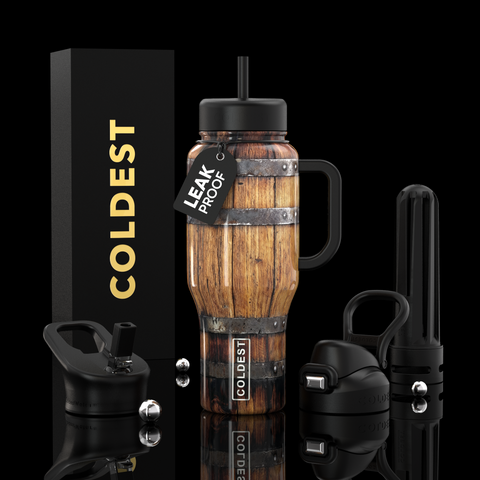
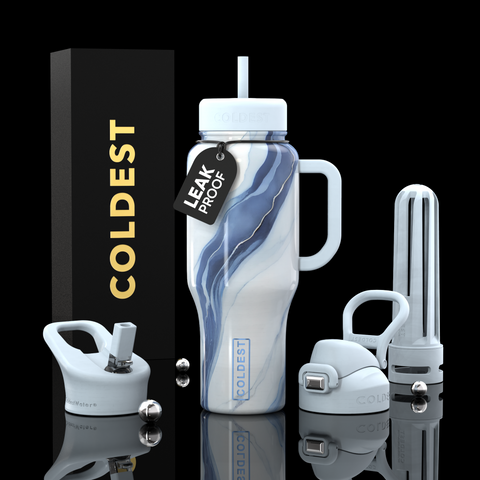
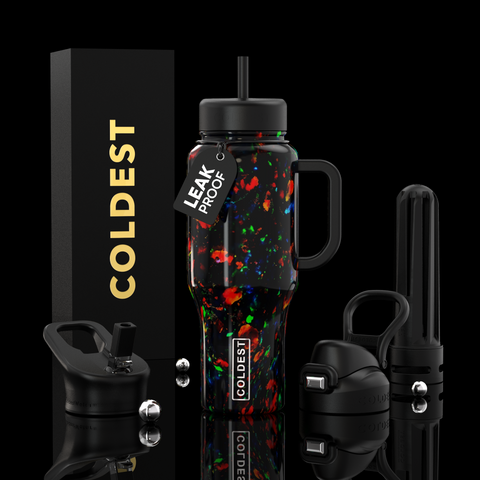
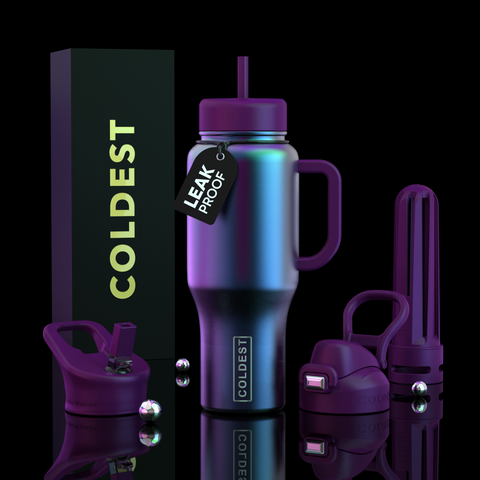
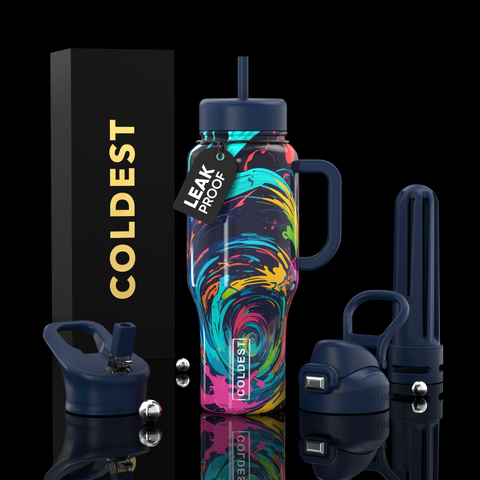
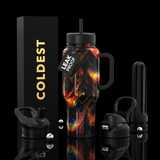
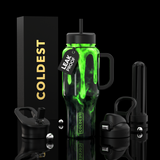
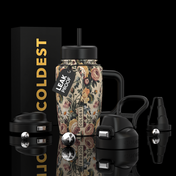
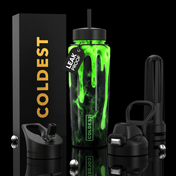
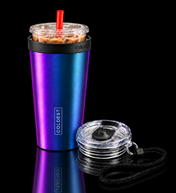
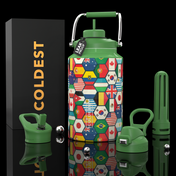
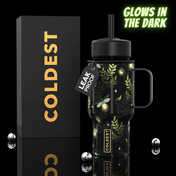
Coldest product pages describe pro-grade 18/8 stainless steel, BPA-free lids, and "no metallic taste," with Care & Warnings: Hand wash only to protect the finish. Do not freeze or microwave. A clean 18/8 food-contact-grade bottle isn't expected to add a metal taste — look at residue, lid parts, water, or what sat in it first. Wondering what the 18/8 label means next to 316? See 18/8 vs 316 stainless steel.
Limitless Ultra 36oz / 46oz
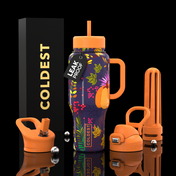
36oz Limitless and 46oz Limitless share the same materials and care. Want a handle? → Limitless bottles with handle.
32oz Go Series
32oz Go Series shares the same materials and care. Shop: 32oz Go · 36oz Limitless · 46oz Limitless · handle collection.
FAQ
Why does my insulated tumbler taste like metal?
Usually it isn't the steel. Common causes: residue on a new bottle, a lid, gasket, or straw that needs a deep clean, minerals in your water, or a drink that sat too long. Hand-wash the bottle and every lid part, then compare the same water from a glass.
Why does my new stainless steel water bottle taste metallic?
New bottles can carry manufacturing or packaging residue. Wash the body and all lid parts with warm soapy water before first use, rinse well, and air-dry. If it still tastes off, try the glass test to rule out your water.
Is it my water or my bottle?
Taste the same water from a clean glass. If the glass tastes metallic too, it's the water — the EPA notes copper, iron, manganese, zinc, and low-pH water can cause a metallic taste. If only the bottle tastes off, clean the lid and straw (how to clean a tumbler with a straw).
How do I get the metal taste out of my water bottle?
Take the lid apart and hand-wash everything with warm water and mild dish soap; a baking-soda soak is a common optional home method. Rinse thoroughly and air-dry with the lid off. Skip bleach, steel wool, and the dishwasher.
Is a metallic taste from a water bottle safe?
A taste on its own is usually a cleaning or water-quality signal, not a sign the bottle is unsafe. Clean it and run the glass test. If rust-colored spots inside won't wash off, stop using it for drinks.
Why does everything taste metallic, not just my bottle?
Then the bottle probably isn't the cause. Cleveland Clinic lists certain medications, colds, some supplements, and dental issues as common causes. If it lasts, check with a doctor or dentist.
Closing
Clean the bottle and every lid part by hand, run the glass test, and rinse soon after non-water drinks. Full clean → how to clean a tumbler with a straw; smell → why does insulated water bottle smell. Shop: 32oz Go · 36oz Limitless · 46oz Limitless · Limitless bottles with handle.


