


18/8 vs 316 Stainless Steel: Does Your Tumbler's Steel Grade Matter?
18/8 vs 316 Stainless Steel: Does Your Tumbler's Steel Grade Matter?
18/8 stainless steel has about 18% chromium and 8% nickel, and the label is usually used for Type 304, the everyday steel used for food and drink contact. 316 adds roughly 2–3% molybdenum, which makes it more resistant to salt and chlorides. For water, coffee, and tea with normal hand-wash care, 18/8 does the job. And the steel grade doesn't change how long a tumbler keeps drinks cold. The vacuum insulation does that.
Below: what the labels mean, where 316 actually helps, what grade doesn't change, and how to care for any stainless tumbler.
18/8 vs 316 stainless steel tumbler: the short answer
- 18/8 is usually Type 304. The Specialty Steel Industry of North America (SSINA) says 18/8 and 18/10 are often used to describe Type 304 or similar 300-series stainless steels (SSINA).
- 316 is close kin with molybdenum added. worldstainless describes 316 as 304 with about 2% molybdenum added, which makes it especially resistant to high levels of chloride (worldstainless).
- Both are everyday food-contact steels. The same worldstainless guide calls this family of steels the most commonly used stainless steels in the food and beverage industries.
- The real difference is salt resistance, not whether one is fine for water, coffee, or tea and the other isn't.
What do 18/8, 18/10, 304, and 316 mean?
The two numbers in "18/8" are percentages: 18% chromium and 8% nickel. "18/10" means 18% chromium and 10% nickel. SSINA notes that 18/10 is sometimes used purely for marketing when the steel's actual chemistry is closer to 18/8 (SSINA). So "18/8" is a handy description, not a precise specification on its own.
The numbered grades are the precise version. Here are SSINA's composition ranges:
| Grade | Chromium | Nickel | Molybdenum |
|---|---|---|---|
| Type 304 | 18–20% | 8–10.5% | None |
| Type 316 | 16–18% | 10–14% | 2–3% |
Source: SSINA composition and properties.
Why is it "stainless" at all? Chromium. With enough exposure to oxygen, an invisible chromium-rich film forms on the surface and protects the steel, and it re-forms on its own as long as the surface is clean (SSINA).
Where 316 actually makes a difference
Molybdenum is the point of 316. SSINA says it is particularly helpful where there's exposure to chlorides, such as coastal air and deicing salts (SSINA). In food processing, worldstainless points to 316 for salty and more aggressive foods (worldstainless).
Salty or acidic mixes, like electrolyte drinks or lemon water, are where the extra molybdenum in 316 comes up most often. Whatever your tumbler is made of, rinse it soon after either one. Surface spots on stainless usually come from cleaning habits or contact with other metal, not the grade itself.
What steel grade doesn't change
- How long drinks stay cold or hot. That comes from the vacuum gap between the walls, which stops heat moving through by conduction and convection. Steel grade isn't part of that equation. See how vacuum insulation works, and for real-world cold times, how long insulated bottles stay cold.
- Taste. If your tumbler tastes metallic, it's usually residue, the lid, or the gasket, not the grade. Here's how to track it down: why an insulated tumbler tastes like metal.
- Sweating. A tumbler that sweats on the outside with a cold drink points to a problem with the vacuum, not the steel.
What "surgical grade" and "food grade" really mean
You'll see both phrases on listings. Neither is an official classification for drinkware. The British Stainless Steel Association (BSSA) notes that the 316 grades are often called the "food" grades, but that there is no known official classification for this, and that the equally common 304 type may be suitable for food processing (BSSA). "Surgical grade" is a marketing phrase in the same way.
Instead of a label, look for the actual grade or composition, and then look at how the cup is built: the vacuum insulation, the lid materials, and how easy it is to clean.
How to care for any stainless tumbler
Good habits matter more day to day than the grade on the label:
- Rinse soon after salty, acidic, or sugary drinks.
- Hand wash with warm, soapy water and a bottle brush, then air-dry fully with the lid off. Full routine: how to clean a tumbler with a straw.
- Skip bleach and chlorine cleaners. Chlorides are exactly what stainless steel resists least. Skip steel wool and harsh scrubbers too.
- Don't freeze or microwave your tumbler.
What Coldest uses
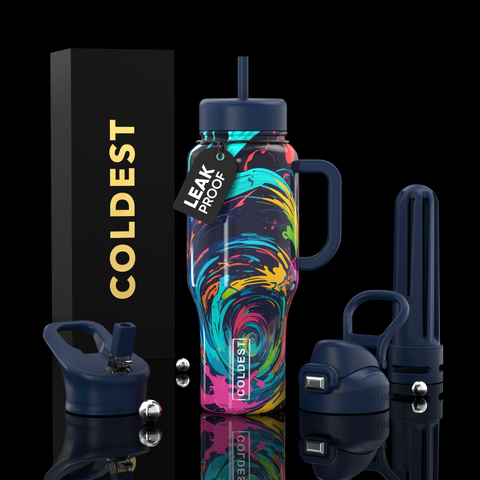
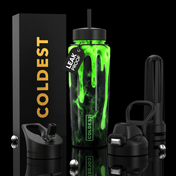
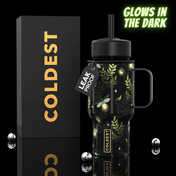
Coldest product pages describe pro-grade 18/8 stainless steel with BPA-free lids and vacuum insulation, and say there's no metallic taste. Care for all of them, from Coldest product pages: hand wash only to protect the finish, and do not freeze or microwave.
20oz Tumbler
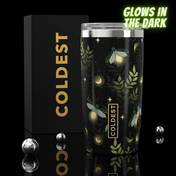
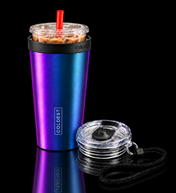
The 20oz Tumbler is made for coffee, tea, and powder mixes, with a sliding tumbler lid. It keeps coffee and tea hot for 13+ hours.
32oz Go Series
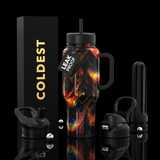
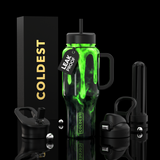
The 32oz Go Series comes with Sports, Sip, and Chug lids and is rated for 36+ hours cold and 13+ hours hot.
36oz and 46oz Limitless Ultra
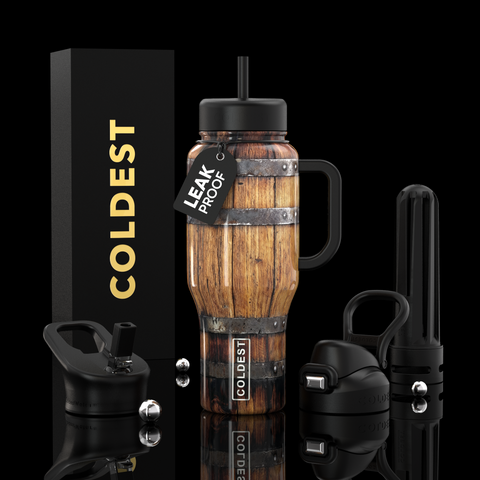
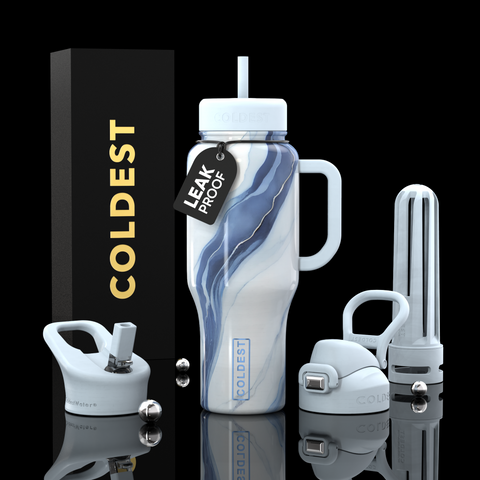
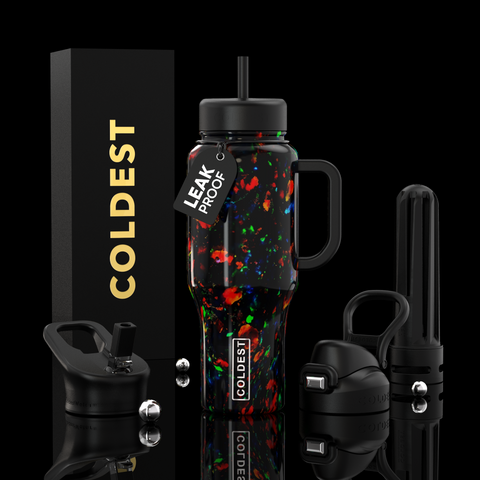
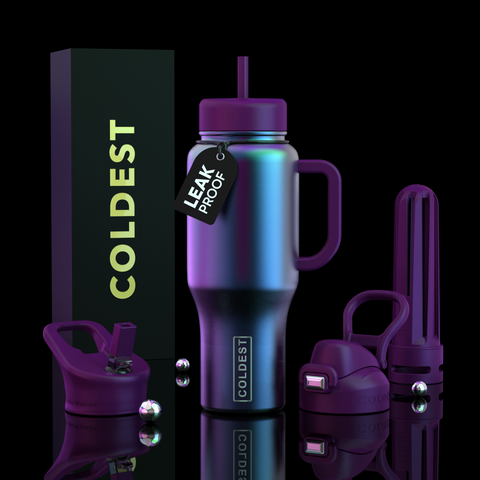
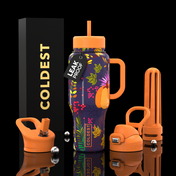
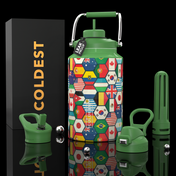
The 36oz Limitless and 46oz Limitless have the same three lids and the same 36+ hours cold and 13+ hours hot rating, in a bigger, handled bottle.
FAQ
What's the difference between 18/8 and 316 stainless steel?
18/8 has about 18% chromium and 8% nickel and is usually Type 304. 316 has a similar base plus about 2–3% molybdenum, which improves resistance to salt and chlorides. Both are common in food and drink equipment.
Is 18/8 the same as 304 stainless steel?
Usually. SSINA says 18/8 is often used to describe Type 304 or similar 300-series stainless steels, but it isn't a precise specification on its own.
Is 18/8 stainless steel safe for drinks?
The 304 family is among the most commonly used stainless steels in the food and beverage industries, from cutlery to processing equipment. Keep it clean with hand washing, and rinse soon after salty or acidic drinks.
Is 316 stainless better for a tumbler?
316 resists chlorides better, which matters most around salt. For water, coffee, and tea with normal care, 18/8 is the everyday standard, and build details like the vacuum and lid matter more for daily use.
Does steel grade affect how long a tumbler keeps drinks cold?
No. Cold and hot hold come from the vacuum between the walls, not the steel grade (how vacuum insulation works).
What does "surgical grade" stainless steel mean?
It isn't an official drinkware standard, and BSSA notes there's no known official classification for "food grade" either. Look for the actual grade or composition instead of the label.
Why does my stainless tumbler taste like metal?
It's usually residue or the lid, not the steel grade. See why an insulated tumbler tastes like metal.
The bottom line
18/8 is the everyday food-contact steel. 316 adds extra resistance to salt. The vacuum decides how long drinks stay cold or hot, and good care matters more than the grade. More on that: how vacuum insulation works and why a tumbler tastes like metal.


