


How Long Does an Insulated Tumbler Last? (When to Replace It vs Just the Lid)
How Long Does an Insulated Tumbler Last? (When to Replace It vs Just the Lid)
A stainless steel vacuum tumbler can last for years with normal care; the steel body rarely wears out. Lids, seals, and straws usually go first. Replace the whole cup when the vacuum fails, the inside rusts or pits, or it cracks or won't seal.
Below: what wears out first, a 60-second vacuum check, and a replace-the-lid vs replace-the-cup table.
How long does an insulated tumbler last?
There's no honest single number. It depends on how you use it, how you care for it, whether it's been dropped, and which parts are wearing.
Stainless steel itself is corrosion resistant and durable, with a long service life — that's how the Specialty Steel Industry of North America (SSINA) describes it. What ages on a tumbler is the vacuum between the walls, the finish, and the plastic and silicone parts. Replace on condition, not on a calendar.
What wears out first (and what usually doesn't)
- Lid hinges, latches, and threads — the moving parts you twist and click every day.
- The silicone seal — flattened, stretched, cracked, or holding onto smells.
- Straws — cloudy, chewed, or cracked.
- Powder coat / finish — chips and fade; usually cosmetic.
- Body / vacuum — least likely to fail; usually from a hard drop or heat/freeze misuse.
The 60-second check: is your vacuum still working?
- Fill with ice water, close the lid, and wait about 10 minutes (a house test — not a hold-time promise).
- Touch the outside body: it should stay near room temperature and dry. A cold, sweaty body usually means the vacuum is gone. Lid sweat alone is normal → why tumbler lids sweat.
- Hot-drink version: if the body feels warm to the touch, that's the same warning sign.
- Drinks warming fast but the body feels normal? Check habits and the lid first → why your tumbler stopped keeping drinks cold.
Once the vacuum is gone, it can't be restored at home (how vacuum insulation works).
Replace the lid, or the whole tumbler?
Most "worn out" cups are really worn lids, seals, or straws. Use this table:
| Problem | Usually the fix |
|---|---|
| Leaks at the lid | Check that the seal is seated and clean, then the lid — not the cup |
| Smell that won't wash out | Deep-clean the lid and seal (how to clean a tumbler with a straw; why an insulated bottle smells). If it persists, swap the seal or lid |
| Cracked or chewed straw | Swap the straw |
| Seal flattened, stretched, or cracked | Swap the seal or lid. Not sure it's worn? See when to replace a tumbler lid gasket. |
| Chipped or faded finish | Cosmetic — keep using it |
| Dent | See does a dent mean the vacuum failed; replace only if the vacuum check fails |
| Body sweats, or the outside goes cold or hot | Whole tumbler (or check the warranty below) |
| Rust or pitting inside, cracks, or threads that won't seal | Whole tumbler |
For a step-by-step leak check, see the leakproof tumbler checklist.
Signs it's time for a new tumbler
- The outside body sweats, or goes cold (or hot) to the touch, while a drink is inside.
- Drinks warm up fast even after you've ruled out habits and the lid (stopped keeping cold guide).
- Rust or pitting on the inside steel surface.
- Cracks in the body, or threads that won't seal no matter what you try.
- A dent plus a failed vacuum check — a dent alone isn't a death sentence (dent and vacuum guide).
Brown film from coffee or tea is a stain, not rust; see how to remove coffee stains from a tumbler.
What shortens a tumbler's life
- Dishwasher heat on finishes and seals — Coldest care says hand wash only (dishwasher FAQ).
- Freezing or microwaving the tumbler — Coldest product pages say never do either (freezer and microwave FAQ).
- Hard drops that can bruise the vacuum gap.
- Harsh scrubbers that scratch the finish (stain and cleaning guide).
- Storing it wet with the lid on — a common source of lingering smells (why bottles smell; cleaning guide).
Before you replace it: check the Coldest warranty
Drinkware bought at coldest.com has a Limited Lifetime Warranty covering manufacturer defects, temperature retention, and the leakproof guarantee. Wear and tear, drop dents, and misuse aren't covered. No registration is needed — your order is proof of purchase. Start a claim through the return portal.
Engraved, limited-edition, and final-sale items have their own rules (see Warranty & Returns). We don't promise outcomes, timelines, or coverage for purchases made outside coldest.com.
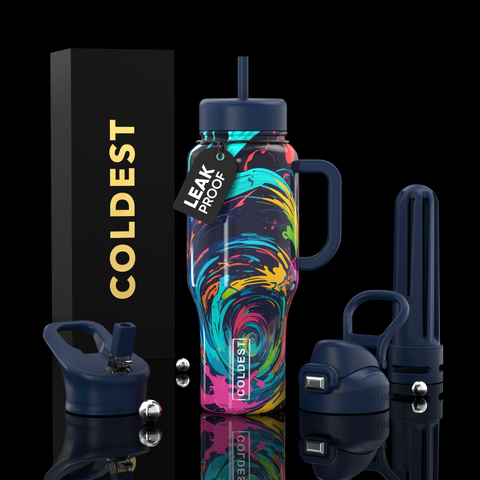
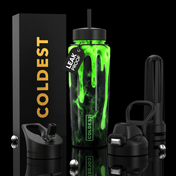
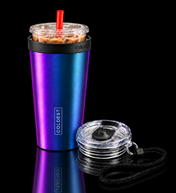
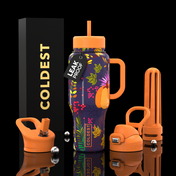
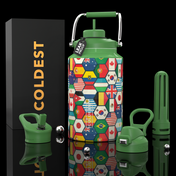
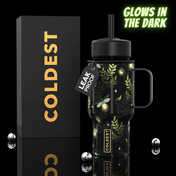
Looking at a fresh cup? The 36oz Limitless and 32oz Go Series are triple-wall vacuum-insulated, rated for 36+ hours cold and 13+ hours hot (how long insulated bottles stay cold). Hand wash only, and don't freeze or microwave them.
Retiring an old one?
If it still works, donate it or repurpose it (pen cup, plant pot). If it's done, see how to recycle a stainless steel tumbler.
FAQ
How long does an insulated tumbler last?
There's no fixed number. With normal care, a stainless vacuum tumbler can last for years; lids, seals, and straws usually wear out first. Replace it when the vacuum fails, the inside rusts or pits, or it won't seal.
How do I know if my tumbler lost its vacuum?
Fill it with ice water, close it, and touch the outside after a few minutes. If the body feels cold or sweats (or gets warm with a hot drink), the vacuum is likely gone. Lid sweat alone is normal (why tumbler lids sweat).
Should I replace the lid or the whole tumbler?
Leaks, lingering smells, and cracked straws are usually lid, seal, or straw problems. Replace the whole tumbler only when the body fails: lost vacuum, inside rust or pitting, or cracks.
Does a dent mean my tumbler is ruined?
Not always. Many dents are cosmetic; run the vacuum check and see the dent guide (does a dent mean the vacuum failed).
Is a rusty tumbler still OK to use?
Rust spots or pitting inside mean the steel surface is damaged, so we'd retire it. Brown film from coffee or tea is a stain, not rust (how to remove coffee stains).
Does the Coldest warranty cover a tumbler that stopped keeping cold?
Drinkware bought at coldest.com has a Limited Lifetime Warranty that covers manufacturer defects, including temperature retention. Wear and tear, drop dents, and misuse aren't covered; start a claim through the return portal (Coldest return portal).
What should I do with an old tumbler?
Donate or repurpose it if it still works; otherwise see how to recycle it (how to recycle a stainless steel tumbler).
The bottom line
Steel lasts; parts wear. Check the vacuum, swap what's worn, and save the warranty for real defects. If drinks warm up and you haven't ruled out habits yet, start with why your tumbler stopped keeping cold.


