


Does a Dent Mean My Tumbler’s Vacuum Failed?
Does a Dent Mean My Tumbler’s Vacuum Failed?
Does a dent mean my tumbler’s vacuum failed? Not always. A cosmetic dent ≠ automatic vacuum fail. Vacuum insulation lives in the sealed gap between walls—a surface crease can leave that gap intact, or (less often) impact can break the seal so cold/hot hold drops. Judge by hold vs your normal, not by how the dent looks.
Below: what a dent after a drop usually means, simple home checks, and when to dig deeper. Related: how long do insulated water bottles stay cold, how vacuum insulation works, and why does my tumbler lid sweat. Coldest bottles are hand wash only → can you put insulated tumbler in dishwasher.
Does a dent mean my tumbler’s vacuum failed? (short answer)
Not always — a cosmetic dent ≠ automatic vacuum fail; judge by cold/hot hold vs your normal, not looks alone.
Same diagnosis if you searched “dented insulated bottle still work?” or “vacuum failed after a drop?” Looks and performance are different questions. An ugly crease can still hold; a subtler hit can (less often) hurt hold. Performance after impact is the better signal.
Looking for something else?
Duration → how long do insulated water bottles stay cold. Vacuum science → how vacuum insulation works. Lid sweat → why does my tumbler lid sweat. Dishwasher / clean / lids / smell → can you put insulated tumbler in dishwasher, how to clean a tumbler with straw, straw lid vs chug lid, why does insulated water bottle smell. Size / shopping → insulated water bottle sizes, 40 oz tumbler with handle, 32 oz tumbler guide.
Why a dent doesn’t always kill insulation
Vacuum lives in the wall gap
Surface dents on the outer wall don’t always breach the sealed vacuum space between walls. The insulation lives in that gap—not on the finish you can see.
Cosmetic crease vs seal-breaking impact
Looks bad can still hold; small marks can (rarely) coincide with a real seal break. Performance tells you, not cosmetics alone.
How Coldest bottles are built
Coldest Limitless and Go Series product pages describe triple-wall vacuum insulation. More → how vacuum insulation works.
Keep checks gentle
A dent doesn’t always mean the vacuum failed. The home checks below are gentle, optional observations — not lab tests.
Simple home checks after a dent
Gentle, optional checks only—no boiling dunks of sealed vessels, freeze tests, microwave tests, or pressure experiments.
- Ice / cold hold vs your normal — Fill with ice water the way you usually do. If hold still feels about the same as before the drop, a cosmetic dent alone is usually not a vacuum fail. Coldest’s rated hold is 36+ cold / 13+ hot → how long do insulated water bottles stay cold.
- Hot hold (optional) — If you use the vessel for hot drinks, compare warm-up speed to your normal. A sudden big drop vs before matters more than the dent’s looks.
- Optional careful exterior feel — Some owners carefully note whether the outside wall stays closer to room temp while contents are hot (or less like a single-wall “ice-cold wet” shell when iced). Use common sense — never burn yourself or force lids under pressure.
- Body sweat vs lid-only wet — Whole-body wetness with worse hold is a performance concern (science → how vacuum insulation works; hours → how long do insulated water bottles stay cold). Lid-only damp with a dry body → why does my tumbler lid sweat.
- If cold/hot hold still feels normal after the dent → treat as cosmetic; keep using. Care: hand wash only → can you put insulated tumbler in dishwasher.
When to dig deeper (not every dent)
- Hold suddenly much worse than your normal after impact → vacuum may be compromised; duration context → how long do insulated water bottles stay cold; mechanism → how vacuum insulation works.
- Hold worse with no visible dent → Why did my tumbler stop keeping drinks cold?
- Lid-only wet / body dry → usually condensation on uninsulated lid parts — why does my tumbler lid sweat.
- Care: hand wash only per Coldest product pages; dishwasher? → can you put insulated tumbler in dishwasher; smell → why does insulated water bottle smell; Sip clean → how to clean a tumbler with straw. Do not freeze or microwave.
Related questions: duration, vacuum science, and lid sweat
Short answer: cosmetic dent ≠ automatic fail; judge by hold vs your normal.
Rated hold (36+ hours cold / 13+ hours hot) → how long do insulated water bottles stay cold. Vacuum gap → how vacuum insulation works. Lid-only condensation → why does my tumbler lid sweat.
Coldest care instructions
Limitless Ultra 36oz / 46oz
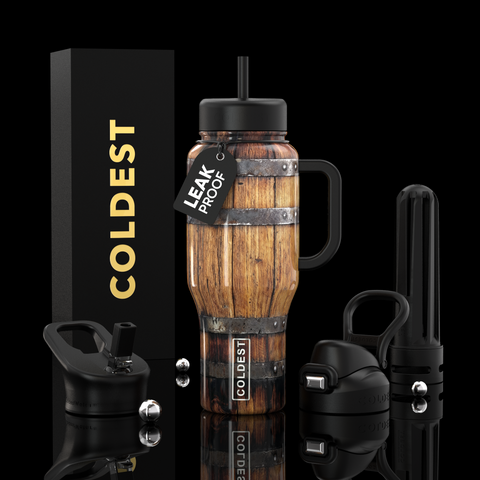
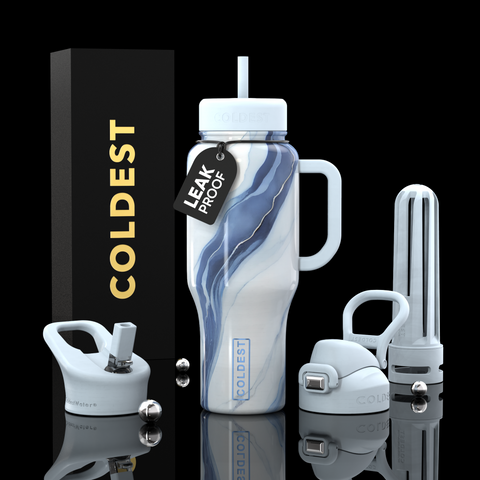
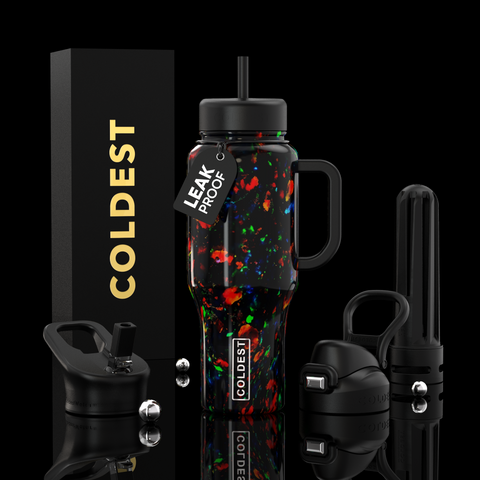
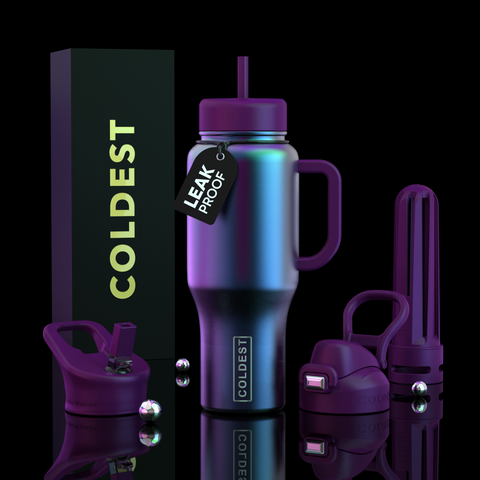
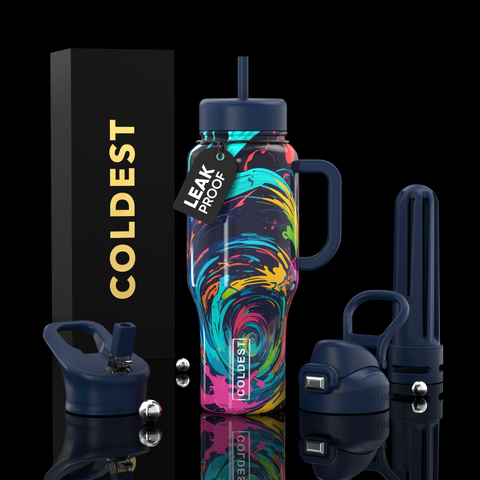
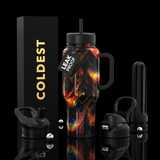
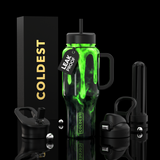
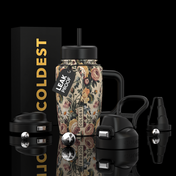
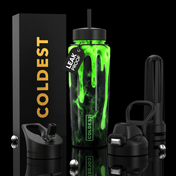
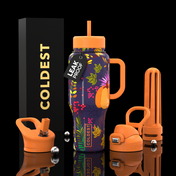
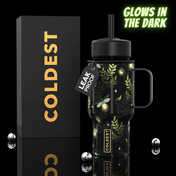
36oz Limitless and 46oz Limitless publish vacuum-insulated bodies with separate Sports / Sip / Chug lids—after an impact, what matters is the body vacuum, not lid choice. Want a big bottle with a handle? → 40 oz tumbler with handle / water bottle with handle — Coldest’s handle bottles come in 36oz and 46oz Limitless. Care: hand wash only; don’t freeze or microwave.
32oz Go Series
32oz Go Series shares the same insulation ratings (36+ hours cold / 13+ hours hot on product pages) and hand wash only care. Hold still normal → treat as cosmetic. Mid-size → 32 oz tumbler guide.
The 24oz Limitless follows the same pattern; size hub → insulated water bottle sizes.
Lids and bottles
Sports, Sip, and Chug lids — the straw lid is the Sip. Chooser → straw lid vs chug lid; clean → how to clean a tumbler with straw; dishwasher → can you put insulated tumbler in dishwasher.
Related guides
- Duration → how long do insulated water bottles stay cold · Vacuum science → how vacuum insulation works · Lid sweat → why does my tumbler lid sweat
- Clean / dishwasher / lids / smell → how to clean a tumbler with straw · can you put insulated tumbler in dishwasher · straw lid vs chug lid · why does insulated water bottle smell
- Leak / size / shopping → leakproof tumbler checklist · insulated water bottle sizes · 40 oz vs 32 oz tumbler · 40 oz tumbler with handle · 32 oz tumbler guide · water bottle with handle · cup holder friendly tumblers · tumbler vs water bottle
FAQ
Does a dent mean my tumbler’s vacuum failed?
Not always. Vacuum insulation lives in the sealed gap between walls. A cosmetic crease on the outside can leave that gap intact. Judge by whether cold/hot hold still feels like your normal, not by how the dent looks.
Will a dented insulated bottle still keep drinks cold?
Often yes if the vacuum seal is still intact. Compare ice melt / warm-up to how the same vessel performed before the drop. If hold still feels normal, treat the dent as cosmetic. How long drinks stay cold → how long do insulated water bottles stay cold (36+ hrs cold / 13+ hrs hot on Coldest product pages).
How can I tell if the vacuum is still working after a drop?
Use simple owner checks: ice/cold hold vs your normal, optional hot-hold feel, and (carefully) whether the exterior behaves like an insulated wall. Skip unsafe “lab” experiments—no boiling dunks of sealed vessels, freeze tests, or microwave tests. Mechanism → how vacuum insulation works.
Is a cosmetic dent the same as a broken vacuum seal?
No. Looks and performance are different questions. An ugly dent can still hold; a subtle impact can (less often) hurt hold. Performance after impact is the better signal than cosmetics alone.
What if my tumbler stopped keeping drinks cold but there’s no dent?
That\'s a different triage path — Why did my tumbler stop keeping drinks cold?. Start with habits and lid/seal before assuming vacuum failure. Lid-only wetness with a dry body → why does my tumbler lid sweat.
When should I replace a dented tumbler?
When hold is clearly much worse than your normal after impact, or damage affects safe use (sharp edges, lid won’t seal). Care: Coldest vessels are hand wash only — can you put insulated tumbler in dishwasher. Shopping for a new one? → 40 oz tumbler with handle, 32 oz tumbler guide, insulated water bottle sizes.
Hold got worse with no dent? See → Why did my tumbler stop keeping drinks cold?.
Closing
Does a dent mean my tumbler’s vacuum failed? Not always — cosmetic dent ≠ automatic fail; judge by hold vs your normal (and careful exterior feel), not looks alone. Hold factors → how long do insulated water bottles stay cold; vacuum → how vacuum insulation works; lid sweat → why does my tumbler lid sweat. Shop: 32oz Go · 36oz Limitless · 46oz Limitless · Limitless bottles with handle.


